.png)
In the rapidly evolving landscape of higher education, institutions are discovering that "intellectual capital" isn't just about research papers and faculty credentials. It's about the vibrancy of the campus culture and the platforms provided for students to engage with knowledge in high-stakes, high-energy environments.
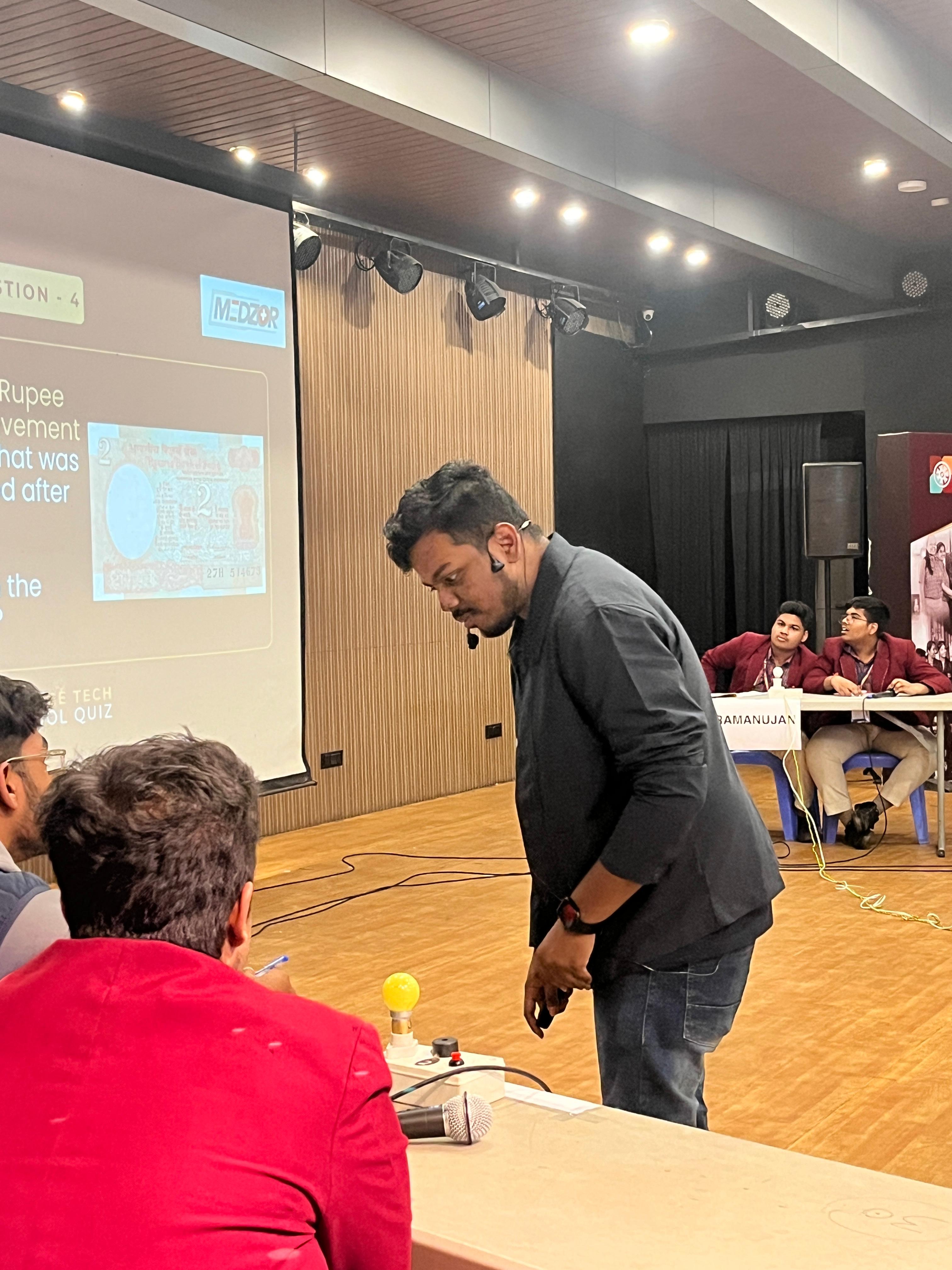
Why Traditional Formats Are Fading
For decades, the standard for campus engagement was the guest lecture or the formal seminar. While these still have their place, the modern student—driven by rapid content consumption and peer-to-peer validation—craves something more visceral. They want to be part of the dialogue, not just passive recipients of it.
This is where premium intellectual fests and specifically designed platforms come into play. By wrapping deep research in cinematic production value, institutions can command a level of attention and participation that traditional formats simply cannot match.
"The goal isn't just to teach; it's to create an atmosphere where learning feels secondary to the thrill of discovery."
The Strategic Advantage
Beyond student satisfaction, these platforms serve as aggressive recruitment and retention tools. When a prospective student walks onto a campus and witnesses a national-level knowledge summit or a high-tech MUN, their perception of that institution's brand equity shifts immediately. They see a university that isn't just following the curriculum, but one that is defining the culture of tomorrow.
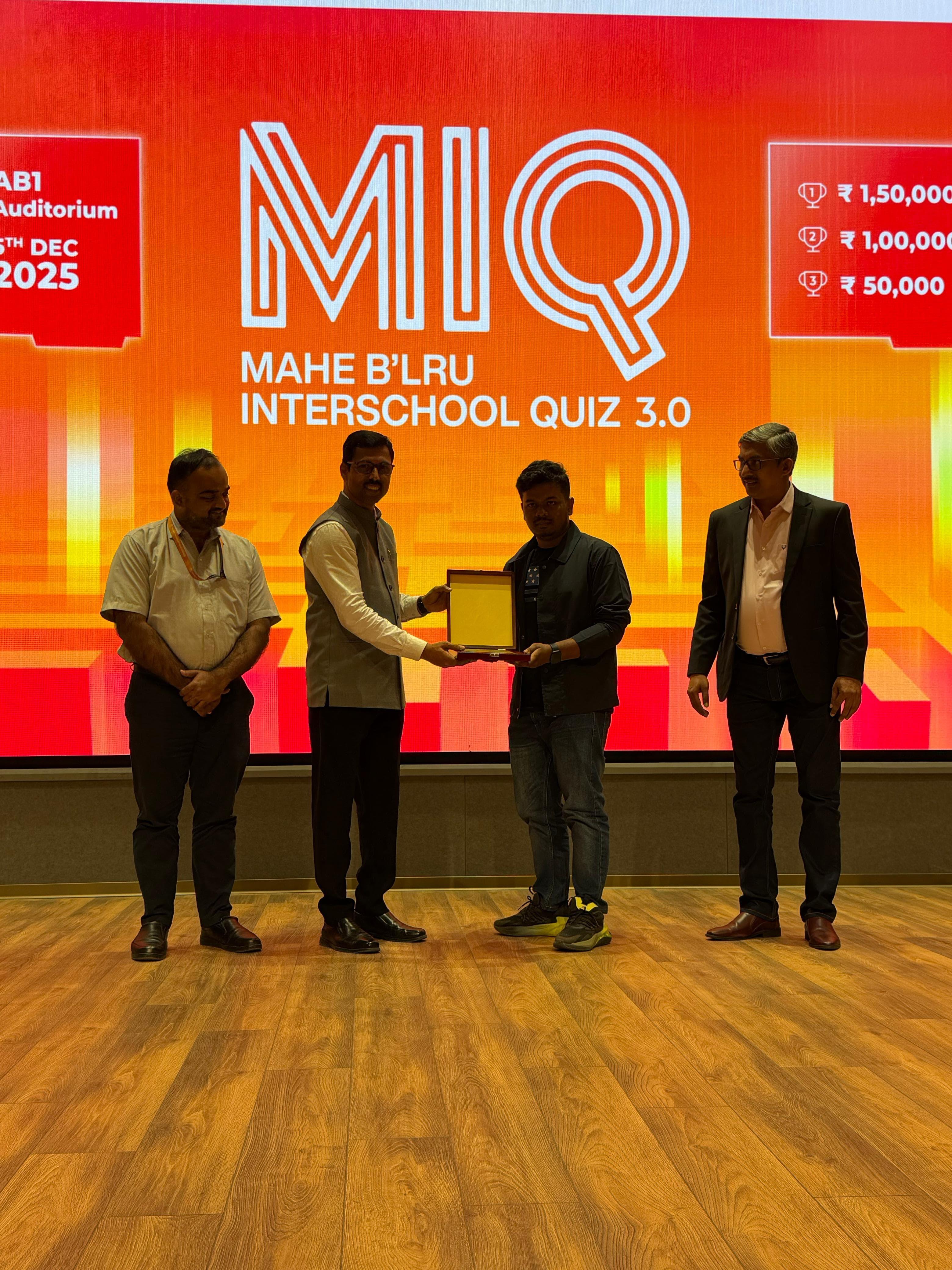
As we look toward the future, the institutions that will succeed are those that treat every event as a flagship property—a complete, structurally sound platform for intellectual excellence.